
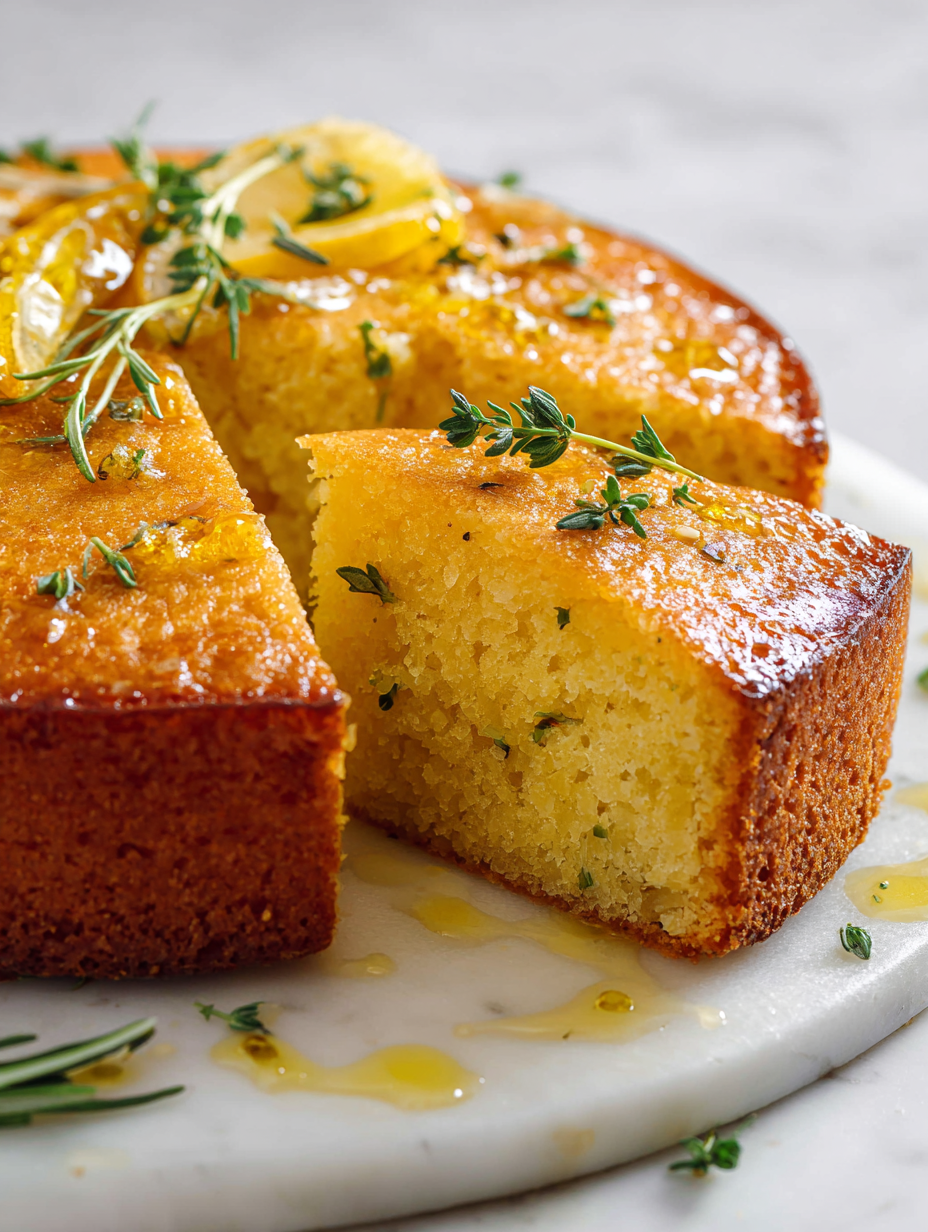
Olive oil cake might seem like just another dessert, but for me, it’s a blank slate. I love that you can infuse it with herbs, citrus, or even a splash of balsamic to make it uniquely yours. It’s a reminder that baking doesn’t have to be rigid—sometimes, the best results come from a little improvisation.
This recipe is about embracing simplicity and flavor. Using good-quality olive oil turns the cake into a moist, fragrant treat that’s perfect for lazy afternoons or a casual dinner party. Plus, it’s a reminder that a humble pantry staple can be the star of a dessert, not just the background.
This recipe is inspired by the idea that olive oil cake can be a canvas for unexpected flavor pairings, like herbs or citrus zest, turning a simple dessert into a personalized, vibrant experience.
The Unexpected Elegance of Olive Oil Cake
- Baking this cake always reminds me of summer afternoons in Italy, where simple ingredients create magic.
- There’s a quiet pride in turning a humble bottle of olive oil into something sweet and unexpected.
- I love how this cake feels both rustic and elegant—perfect for casual weekends or special mornings.
- Sometimes, I add a splash of lemon zest just to surprise my taste buds; it’s like a little burst of sunshine.
- Sharing this with friends, I realize how a simple dessert can spark real conversations and memories.
The Inspiration Behind This Cake
This recipe came about one lazy weekend when I found a nearly empty bottle of good olive oil lurking in the back of my pantry. I wanted to use it in a way that highlighted its richness without overpowering, so I turned to baking. The first time I made this cake, I was surprised by how moist and fragrant it turned out—like a little bit of sunshine in every bite. It’s become my go-to for when I want something simple but a little special, especially when I need comfort and a touch of elegance.
Historical and Cultural Tidbits
- Olive oil cakes originated in the Mediterranean, where olive groves have been cultivated for thousands of years, blending the region’s love for baking and its staple ingredient.
- Historically, this cake was seen as a rustic, humble dessert, often made with leftover bread crumbs and olive oil, evolving into the refined version we enjoy today.
- In Italy, it’s common to add herbs or citrus zest to the batter, reflecting the local flavors and seasonal produce, making each cake unique to its region.
Ingredient breakdown: key components
- Olive oil: I love using a fruity, peppery extra virgin—its rich, grassy aroma really shines in the cake. Swap for light olive oil if you prefer a milder flavor, but don’t skip the good stuff.
- Flour: I stick with all-purpose, but if you want a slightly denser crumb, try bread flour. It’ll add a bit more chew and structure, especially if you’re experimenting with add-ins.
- Sugar: I prefer fine caster sugar—it dissolves smoothly and keeps the batter silky. You can swap with brown sugar for a hint of caramel, but it’ll darken the cake’s color and flavor.
- Eggs: Fresh, large eggs are best—they give structure and moisture. If you’re out, a flaxseed or chia seed substitute works, but expect a slightly denser, more rustic crumb.
- Lemon zest: Brightens everything with a zing of citrus. Skip if you want a more neutral cake, or swap with orange zest for a sweeter, mellower aroma, and a hint of warmth.
- Baking powder: Just enough to give a gentle lift. If you overdo it, the cake might crack on top—so measure carefully. If you prefer a denser texture, reduce slightly but don’t omit.
- Salt: It’s the secret to balancing the oil’s richness. A pinch enhances flavor; too much, and it’s salty. Don’t skip, but keep it minimal.
Spotlight on key ingredients
Olive oil:
- I love using a fruity, peppery extra virgin—its rich, grassy aroma really shines in the cake. Swap for light olive oil if you prefer a milder flavor, but don’t skip the good stuff.
- Flour: I stick with all-purpose, but if you want a slightly denser crumb, try bread flour. It’ll add a bit more chew and structure, especially if you’re experimenting with add-ins.
- Sugar: I prefer fine caster sugar—it dissolves smoothly and keeps the batter silky. You can swap with brown sugar for a hint of caramel, but it’ll darken the cake’s color and flavor.
Lemon zest & Baking powder:
- Lemon zest: Brightens everything with a zing of citrus. Skip if you want a more neutral cake, or swap with orange zest for a sweeter, mellower aroma, and a hint of warmth.
- Eggs: Fresh, large eggs are best—they give structure and moisture. If you’re out, a flaxseed or chia seed substitute works, but expect a slightly denser, more rustic crumb.
- Baking powder: Just enough to give a gentle lift. If you overdo it, the cake might crack on top—so measure carefully. If you prefer a denser texture, reduce slightly but don’t omit.
Notes for ingredient swaps
- Dairy-Free: Use coconut yogurt or almond milk-based yogurt instead of dairy yogurt. It adds moisture but might alter the richness slightly.
- Gluten-Free: Swap all-purpose flour with a 1:1 gluten-free baking flour blend. Expect a slightly denser texture, but still delicious.
- Sweetener: Replace sugar with honey or maple syrup—use about 3/4 cup for every cup of sugar, which adds a nuanced flavor and moisture.
- Oil: Substitute light olive oil with avocado oil for a milder, buttery flavor. For a nutty twist, try walnut oil sparingly.
- Citrus: Skip lemon zest entirely or swap for orange or grapefruit zest, which will give a different, vibrant citrus aroma.
- Eggs: For an egg-free version, try applesauce or mashed bananas, but expect a denser crumb and slightly different moisture level.
- Flavor Enhancers: Add a splash of balsamic vinegar or a few herbs like rosemary or thyme for an unexpected savory note.
Equipment & Tools
- Oven: To bake the cake evenly.
- Mixing bowls: To combine wet and dry ingredients separately.
- Whisk: To beat eggs and mix ingredients thoroughly.
- Spatula: To fold dry ingredients into wet gently.
- 20cm (8-inch) round cake pan: To hold the batter during baking.
- Parchment paper: To prevent sticking and ensure easy removal.
- Cooling rack: To cool the cake evenly and prevent sogginess.
Step-by-step guide to olive oil cake
- Preheat your oven to 180°C (350°F). Grease a 20cm (8-inch) round cake pan and line it with parchment paper.
- In a large bowl, whisk together 1 1/2 cups (180g) of all-purpose flour, 1/2 teaspoon baking powder, and a pinch of salt. Set aside.
- In a separate bowl, beat 3 large eggs until frothy, about 2 minutes. Add 3/4 cup (150g) sugar and whisk until combined and slightly pale, about 2-3 minutes.
- Pour in 1/2 cup (120ml) of good-quality olive oil, preferably fruity and peppery. Whisk until the mixture is smooth and emulsified.
- Add the zest of one lemon (or orange if preferred) to the wet ingredients. Mix well to incorporate the bright, citrus aroma.
- Gradually fold the dry ingredients into the wet, using a spatula. Mix gently until just combined—do not overmix, or the cake will be dense.
- Pour the batter into the prepared pan, smoothing the top with the back of a spoon. Tap the pan lightly on the counter to settle the batter.
- Bake for 35-40 minutes, or until the top is golden and a toothpick inserted in the center comes out clean. The edges should pull slightly away from the pan.
- Check for doneness: the cake should be fragrant, golden, and slightly cracked on top. The surface should spring back when pressed lightly.
- Remove from the oven and let the cake rest in the pan for 10 minutes. Then, transfer to a wire rack to cool completely before serving.
- Finish with a light dusting of powdered sugar or a drizzle of honey if desired. Slice and enjoy once cooled, the crumb should be moist and tender.
Let the cake cool completely on a wire rack before slicing. Finish with a dusting of powdered sugar or a drizzle of honey for extra flair.
How to Know It’s Done
- Golden, slightly cracked top with fragrant aroma.
- Cake springs back when lightly pressed in the center.
- A toothpick inserted in the middle comes out clean.
Olive Oil Cake
Ingredients
Equipment
Method
- Preheat your oven to 180°C (350°F). Grease the cake pan and line the bottom with parchment paper for easy removal.
- In a large mixing bowl, whisk together the flour, baking powder, and a pinch of salt until evenly combined. Set aside.
- In a separate bowl, crack the eggs and beat them with a whisk until frothy and slightly pale, about 2 minutes. Add the sugar and continue whisking until smooth and well combined.
- Pour in the olive oil gradually while whisking, creating a smooth, slightly glossy mixture that smells fragrant.
- Finely grate the lemon zest and fold it into the wet mixture, ensuring it is evenly distributed for a bright citrus aroma.
- Gently fold the dry ingredients into the wet mixture using a spatula, mixing just until combined. Be careful not to overmix, as this can make the cake dense.
- Pour the batter into the prepared pan, smoothing the top with the spatula. Lightly tap the pan on the counter to settle the batter and remove air bubbles.
- Bake in the preheated oven for 35-40 minutes, or until the top is golden and a toothpick inserted into the center comes out clean. The cake will have a slightly cracked top and fragrant aroma.
- Once baked, remove the cake from the oven and let it cool in the pan for about 10 minutes. Then, transfer it onto a wire rack to cool completely, which helps prevent sogginess.
- Once cooled, slice the cake to reveal a tender, moist crumb with a fragrant citrus aroma. Serve plain or with a dusting of powdered sugar for an elegant finish.
Notes
Top tips for perfect olive oil cake
- Use high-quality extra virgin olive oil: Its grassy, peppery notes add depth. Stick with good stuff for the best flavor.
- Gently fold ingredients: Keep the batter airy by folding without overmixing. You want a light, tender crumb.
- Check oven temperature: An oven thermometer ensures accurate baking. Too hot, and the cake cracks; too cool, and it’s dense.
- Add citrus zest last: Incorporate just before folding dry ingredients to maximize bright, aromatic oils in the batter.
- Don’t overbake: Start checking 5 minutes early. The top should be golden and slightly cracked, with a fragrant aroma.
- Rest the cake fully: Cool in the pan 10 minutes, then transfer to a rack. This prevents sogginess and enhances texture.
- Finish with a light dusting: Powdered sugar or a drizzle of honey adds a subtle sweetness and visual appeal.
Common mistakes and how to fix them
- FORGOT to check oven temperature → Use an oven thermometer for accuracy.
- DUMPED the batter by rushing → Fold gently to keep the air in the batter.
- OVER-TORCHED the top → Cover with foil if it browns too quickly.
- MISSED the cooling time → Let the cake rest at least 15 minutes before slicing.
Quick fixes and pantry swaps
- When batter is too thick, splash in a teaspoon of warm water to loosen it.
- If the top cracks excessively, shield it with foil halfway through baking.
- DUMPED the sugar by pouring it all at once—add gradually for a smoother batter.
- Splash a few drops of lemon juice if the cake feels too rich or oily after baking.
- Patch a soggy center with an extra sprinkle of flour and a quick bake at 160°C (320°F).
Prep, store, and reheat tips
- Prepare the batter a day in advance, then cover and refrigerate; the flavors meld beautifully overnight, and the batter becomes even easier to pour and mix.
- Store the cooled cake wrapped tightly in plastic wrap or in an airtight container at room temperature for up to 2 days, where it will stay moist and fragrant. Beyond that, it starts to lose freshness.
- For longer storage, refrigerate the cake for up to 4 days or freeze slices wrapped individually for up to 1 month. Freezing can deepen the olive oil aroma, making each bite more intense.
- Reheat slices gently in a low oven (around 150°C/300°F) for about 10 minutes, or microwave briefly until warm—look for a fragrant aroma and a tender crumb, not rubbery or dry.
Top questions about olive oil cake
1. What kind of olive oil is best?
Use a fruity, robust extra virgin olive oil to get that grassy, slightly peppery flavor that really shines in the cake. Swap with a lighter olive oil if you prefer a milder taste, but don’t skip the good stuff.
2. Can I use other oils instead of olive oil?
Yes, you can substitute almond or coconut oil, but expect a different aroma and slightly altered texture. The fruitiness of olive oil is what makes this cake special, so choose a good-quality oil for the best flavor.
3. What temperature should I bake the cake at?
The cake is most tender and flavorful when baked at 180°C (350°F). Use an oven thermometer to ensure accuracy, as oven temps can vary and affect the texture and rise.
4. How do I know when the cake is done?
A simple test is to insert a toothpick into the center of the cake; if it comes out clean, it’s done. The top should be golden and slightly cracked, with a fragrant aroma filling your kitchen.
5. Can I make this cake dairy-free?
For a dairy-free version, swap regular yogurt for coconut or almond milk-based yogurt. The cake remains moist, but the flavor will be slightly lighter and less tangy.
6. How should I store leftovers?
Store the cooled cake wrapped tightly in plastic wrap or an airtight container at room temperature for up to 2 days. For longer storage, refrigerate for up to 4 days or freeze slices for up to a month.
7. What if my batter is too thick?
If the batter feels too thick, splash in a teaspoon of warm water and fold gently. If the top cracks too much, shield with foil during baking to prevent over-browning.
8. How do I avoid overmixing?
Gently fold the ingredients to keep the batter airy. Overmixing will develop gluten and make the cake dense. Use a light touch to preserve that tender crumb.
9. When should I add citrus zest?
Add citrus zest last to maximize its bright oils and aroma. Incorporate just before folding dry ingredients for a fresh, fragrant burst in every bite.
10. How can I reheat the cake?
Reheat slices in a low oven (around 150°C/300°F) for about 10 minutes until warm and fragrant. This revives the moist, tender crumb and enhances the aromatic experience.
This olive oil cake feels like a quiet celebration of simple ingredients. Its moist crumb and fragrant aroma make it perfect for any season, especially now when comforting baking feels grounding. Sharing it with friends or just keeping a slice for yourself offers a small, honest pleasure.
Baking this cake reminds me that sometimes, the best recipes are those that let quality ingredients shine through with minimal fuss. It’s a humble reminder to embrace the unexpected and find joy in the everyday. A simple, honest cake—just like good conversations or a slow morning—can be what makes a day special.

Hi, I’m Benjamin Reynolds, the creator behind Strategically Seasoning. I started this blog because I believe great cooking is not random. It is thoughtful. It is intentional. It is built step by step with purpose. Seasoning is not something you sprinkle at the end and hope for the best. It is a strategy.